How we work,
across every offer.
Whichever offer you start with (Training, Audit & Consulting, or Build & Run), the engagement runs on one discipline and ends the same way: your team owns the AI agents and runs them without us. Below is how that plays out, from the shared method to the four deliberate phases of a production agent build.


One path to
AI autonomy.
The three offers are rungs of one ladder. You can step on at any rung; the discipline behind each is the same, and the endpoint never changes: your team masters the AI in-house.
Training gets your people fluent (Understand). Audit & Consulting tells you where AI is worth it and where it isn't (Decide). Build & Run designs, ships, and operates the AI itself (Implement → Operate). Whatever the rung, three habits run through every engagement: we scope before we act, we lead with evidence over opinion, and we leave artifacts you own, vendor-portable, with no dependency on SDEN baked into the next step.
That is what 'autonomy' means here. We are not optimizing for a long retainer; we are optimizing for the day you no longer need us. The more we work together, the less you depend on us, and every deliverable, from a training recording to a production codebase, is written to be picked up by your team without us in the room.
The Build & Run method,
phase by phase.
When the work is to build and operate AI in production, here is exactly how it runs: four deliberate phases, each ending in artifacts you own, plus the engineering disciplines that keep the system honest and free of debt.
How the pieces connect
How we build and run AI agents end to end, then hand you the keys: one path from your goal to systems your team owns.
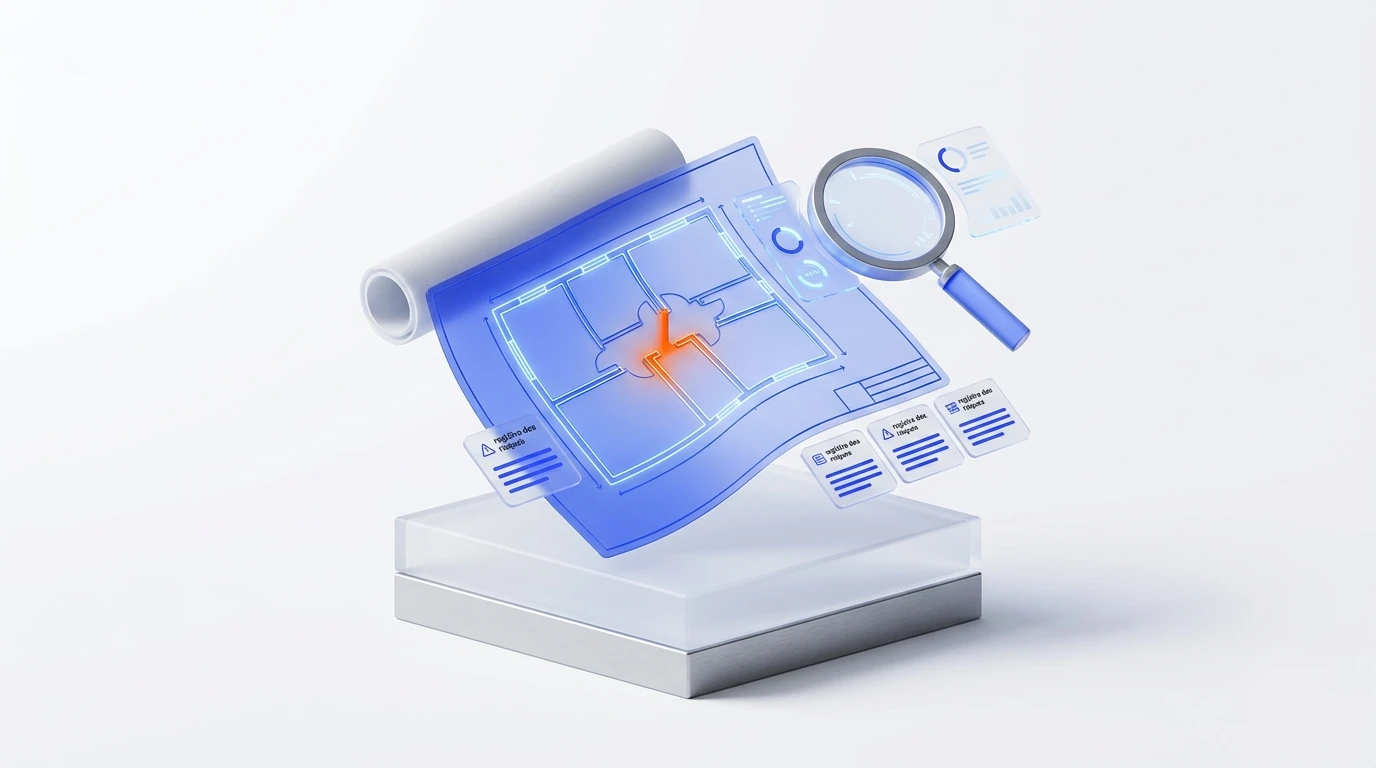
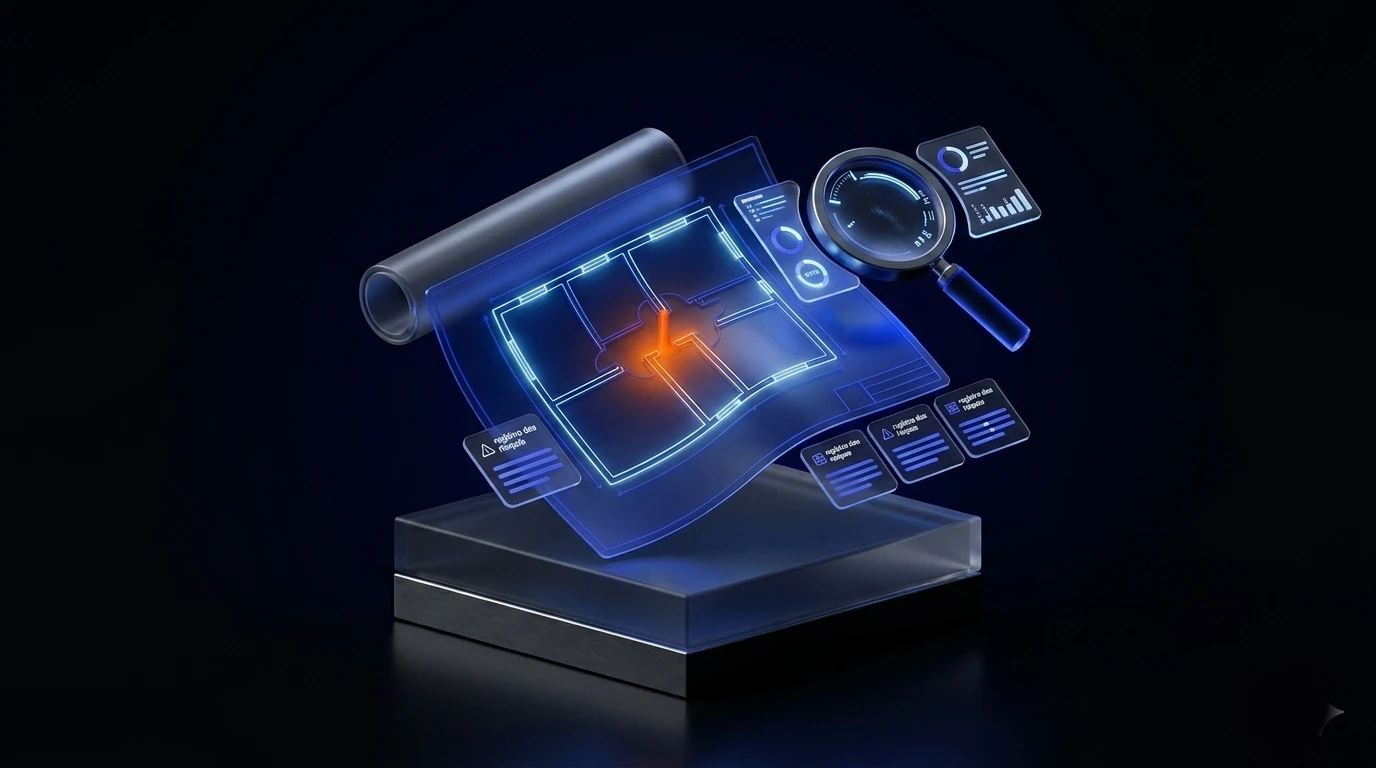
Scoping & architecture
What this phase produces
- Written problem statement with measurable success and eval criteria
- Architecture diagram + decision log (ADRs), including the build-vs-buy and 'AI vs not' call
- Risk register ranked by exploitability and business impact, with EU AI Act classification where it applies
- Data-readiness read for any AI use case (sources, quality, access, retention)
- Go / no-go recommendation, with the scope we would commit to
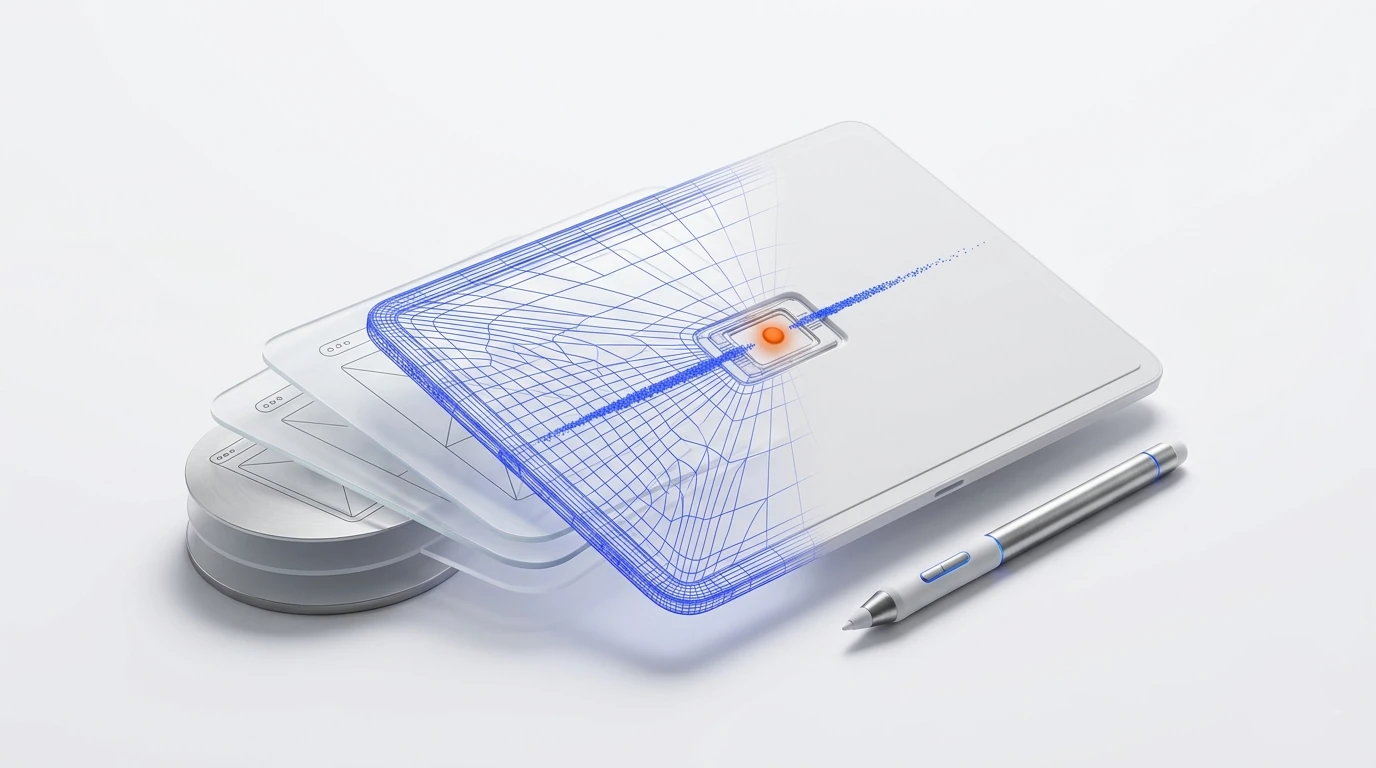
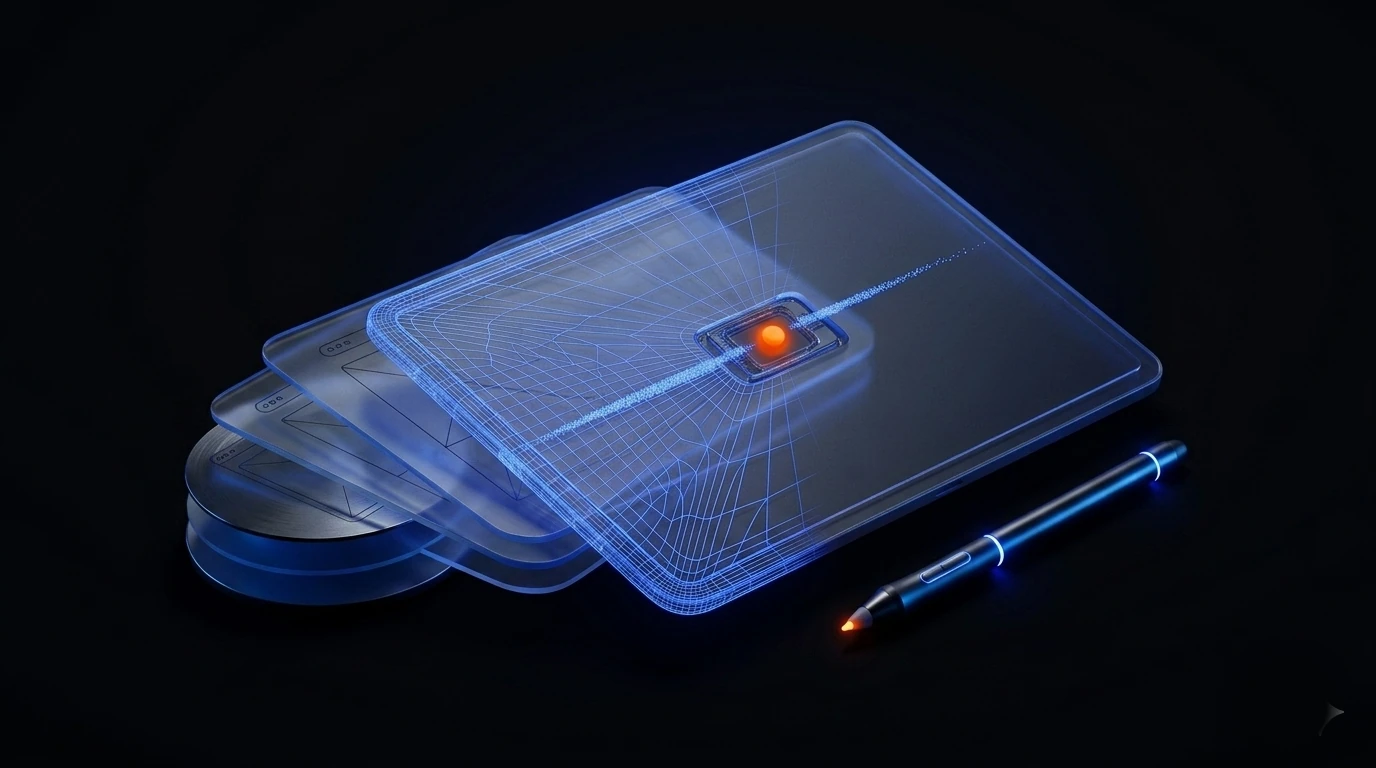
Design & prototyping
What this phase produces
- Interactive prototype of the highest-risk flows, running on real data
- Model and architecture decision (model choice, RAG / fine-tune / agent) with written rationale (ADRs)
- An eval harness: a graded test set and the metrics production will measure on every change
- Cost and latency budget per AI path, named up front
- Design system (tokens, components, accessibility baseline)
Development & hardening
What this phase produces
- Production-grade application in your repositories, deployed to staging
- Test and eval suites covering success paths, error paths, edge cases, and AI quality
- Guardrails and cost ceilings wired in (input/output checks, spend limits)
- Security review against the OWASP Top 10, the OWASP LLM Top 10, and the relevant ASVS level
- Load and chaos test results against the documented traffic shapes
Delivery & support
What this phase produces
- Staged production release with feature-flag rollout
- Operational runbook for every routine production task
- Monitoring of SLOs and AI behavior: quality, drift, hallucination rate, and cost
- On-call playbook for the incidents the risk register anticipated
- Handover of the prompts, evals, and guardrails, with documentation for the next engineer
What each phase produces
Every phase ends in something concrete you keep.
Approach:
questions about engagement.
Direct answers to the questions we get asked the most. If yours isn't covered, write to the team.
Let's build something.
Tell us about your project. We'll come back within 24 working hours with a first engineer's read, no commitment.